


Mold Inspection Oakville
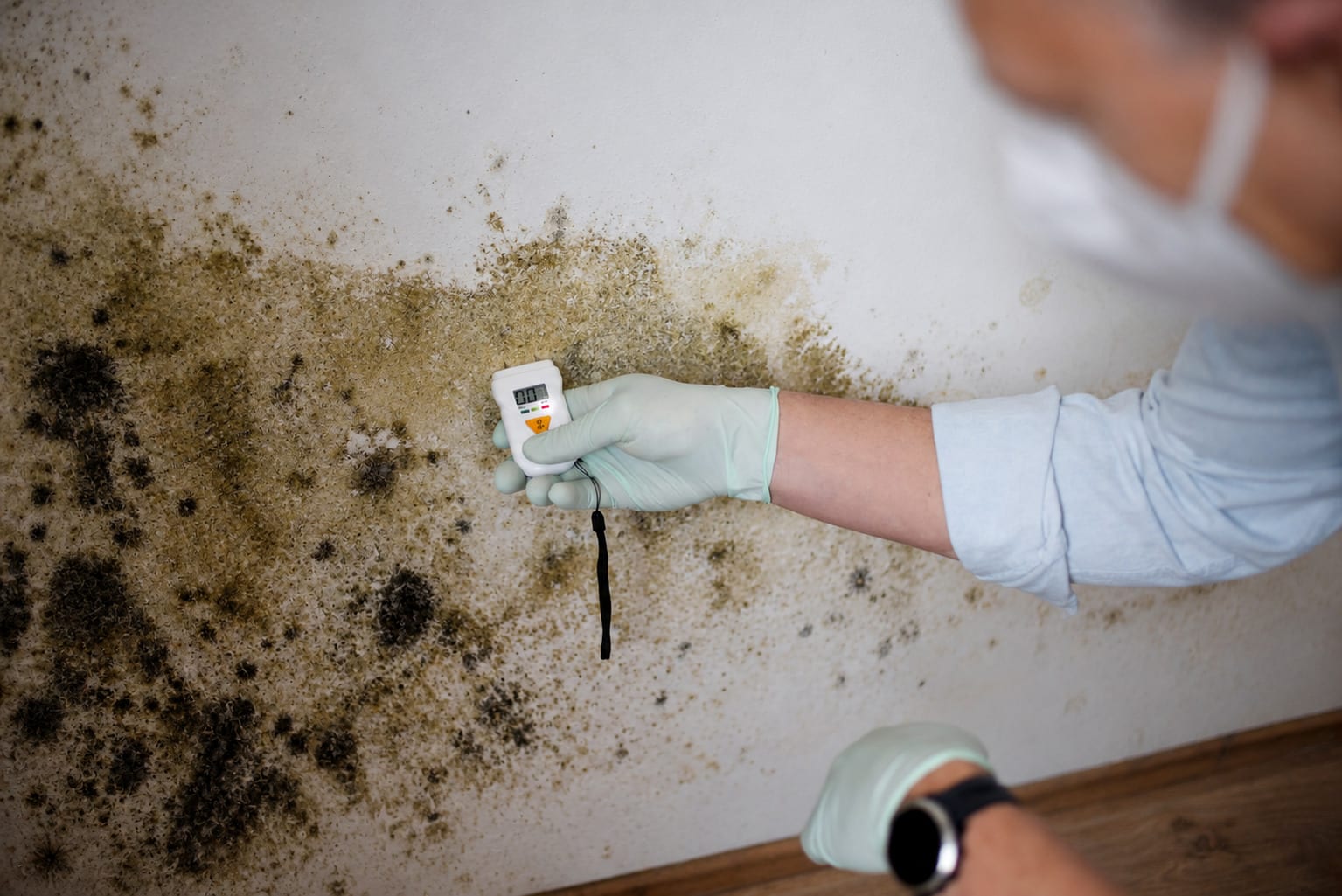
Not every mold problem needs demolition. An inspection helps separate what is visible from what may be happening behind finishes and, just as importantly, looks for the moisture source that allowed growth in the first place.
24/7 · Same-Day Response · Licensed & Insured

Mold does not always stopwhere the stain stops.

Know what is included before demolition starts.

We look for the water problem behind the mold.

Work zones are controlled during material disturbance.

Clear records before, during and after the work.
Remove affected materials without automatic over-demolition.

Third-party clearance can be arranged when the project warrants it.
Know the scope before the demolition starts.
We provide mold removal and mould remediation in Oakville for homes, rental properties and commercial spaces. That includes attic mold, damp basements, bathrooms, wall cavities, water-damaged rooms and situations where the same problem keeps coming back after cleaning.
Before recommending removal, we look at what matters first: where the moisture came from, how far it travelled and which materials are actually affected. That gives you a clearer scope — and helps avoid paying for work that does not solve the cause.
Health Canada states that in most situations there is no need to identify the mould species or measure airborne concentration; the priority is finding and correcting the moisture and mould problem.
Why Oakville Homeowners Trust Us
Every project starts with a written scope and a moisture check — so you know what is being removed, why it is being removed and what it will cost before any work begins.

12+
Years Combined Experience

350+
Remediation Projects

24/7
Emergency Response

$2 Million+
Liability Coverage

IICRC-Trained
Technicians
You may not know exactly what is behind the wall — and you should not have to diagnose it before calling. Tell us what you are noticing, and we will trace the moisture, check the affected materials and explain what actually needs to be done.

Main Services
Not every mold problem needs demolition. An inspection helps separate what is visible from what may be happening behind finishes and, just as importantly, looks for the moisture source that allowed growth in the first place.

Testing has a purpose when the result will answer a real question. It should not simply be added to every job. When sampling makes sense, it can be coordinated as part of the investigation or verification process.
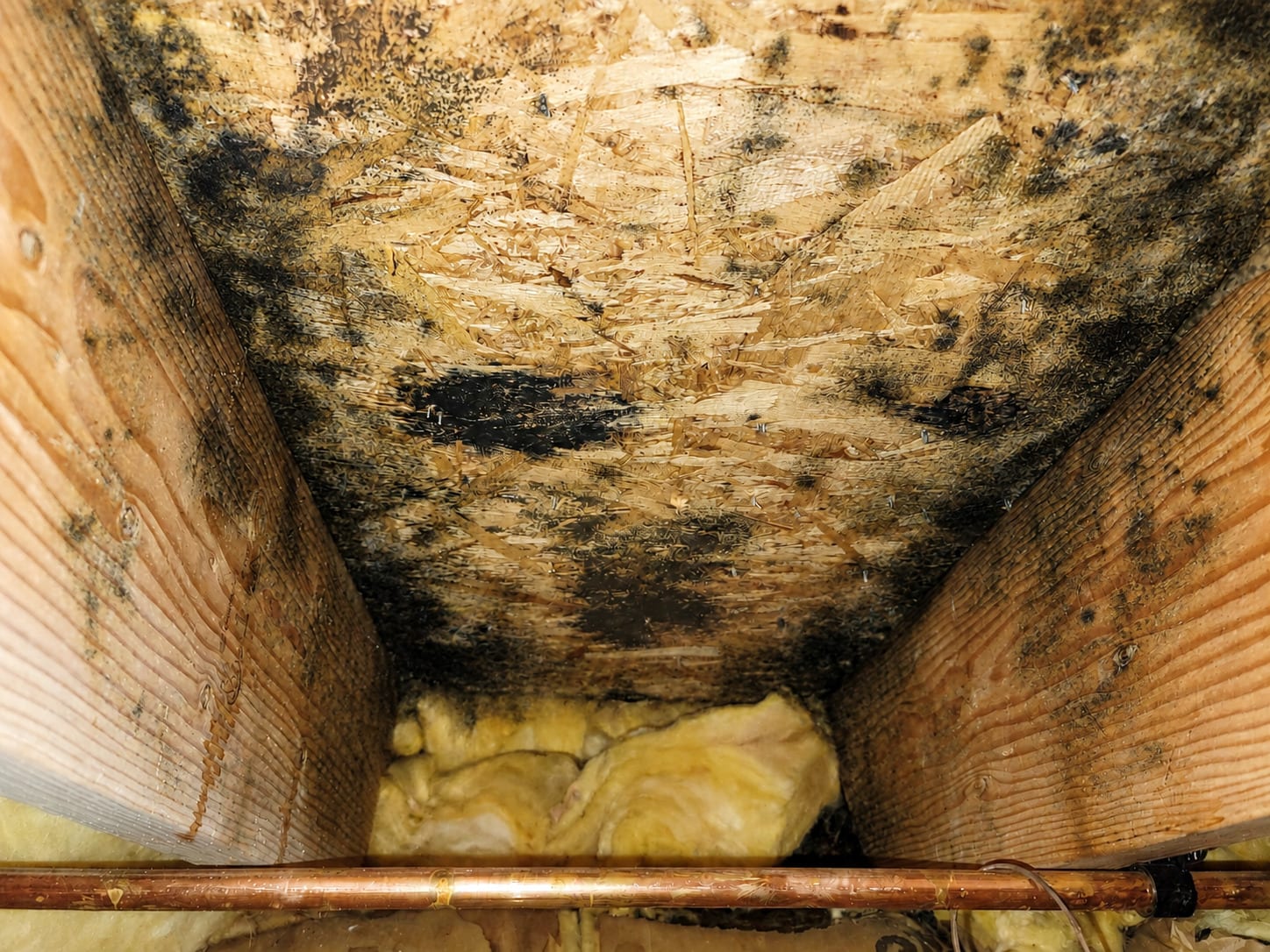
Attic mold can involve much more than cleaning roof sheathing. Roof leaks, condensation, insulation conditions and bathroom exhaust routed into the attic can all change the remediation plan.
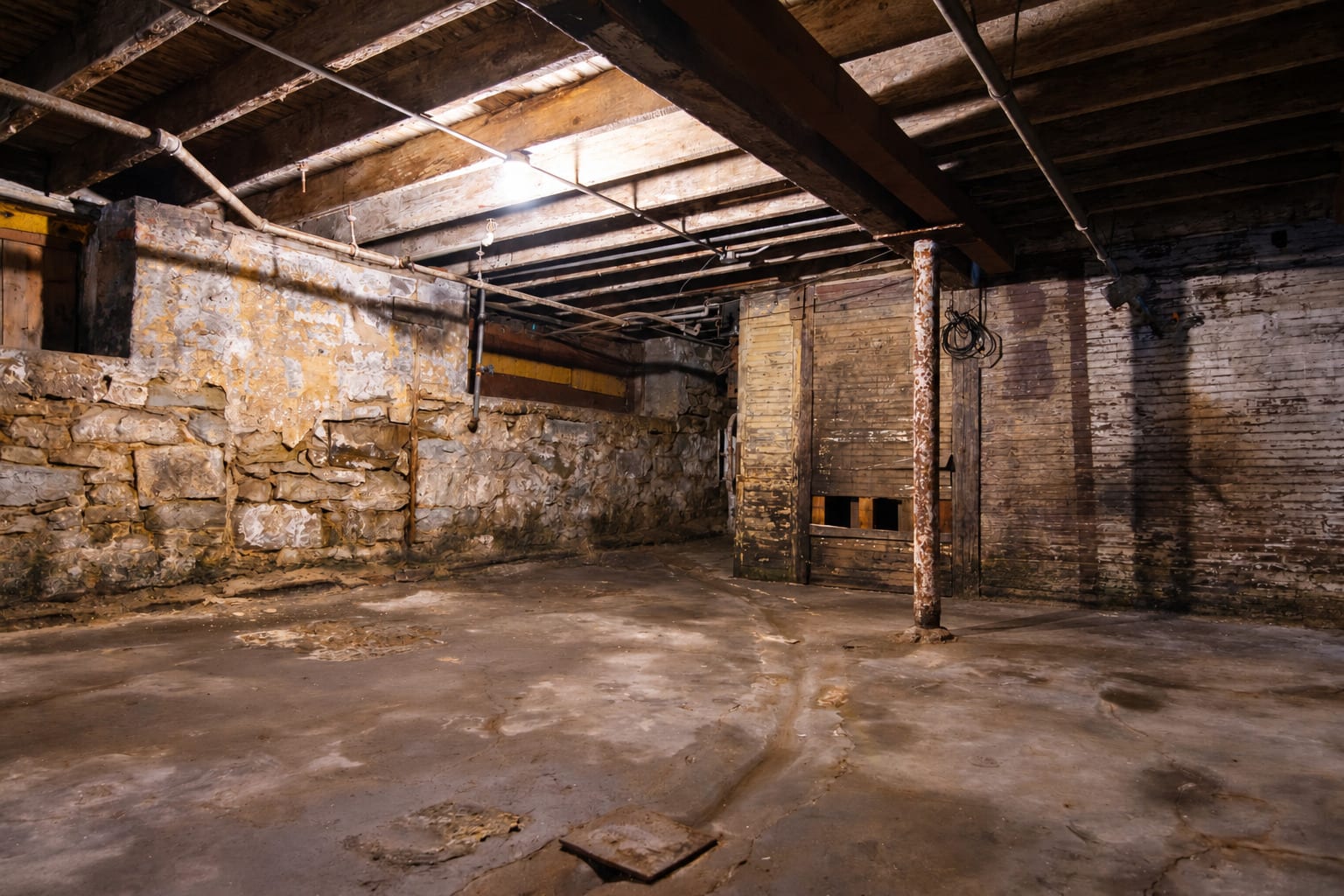
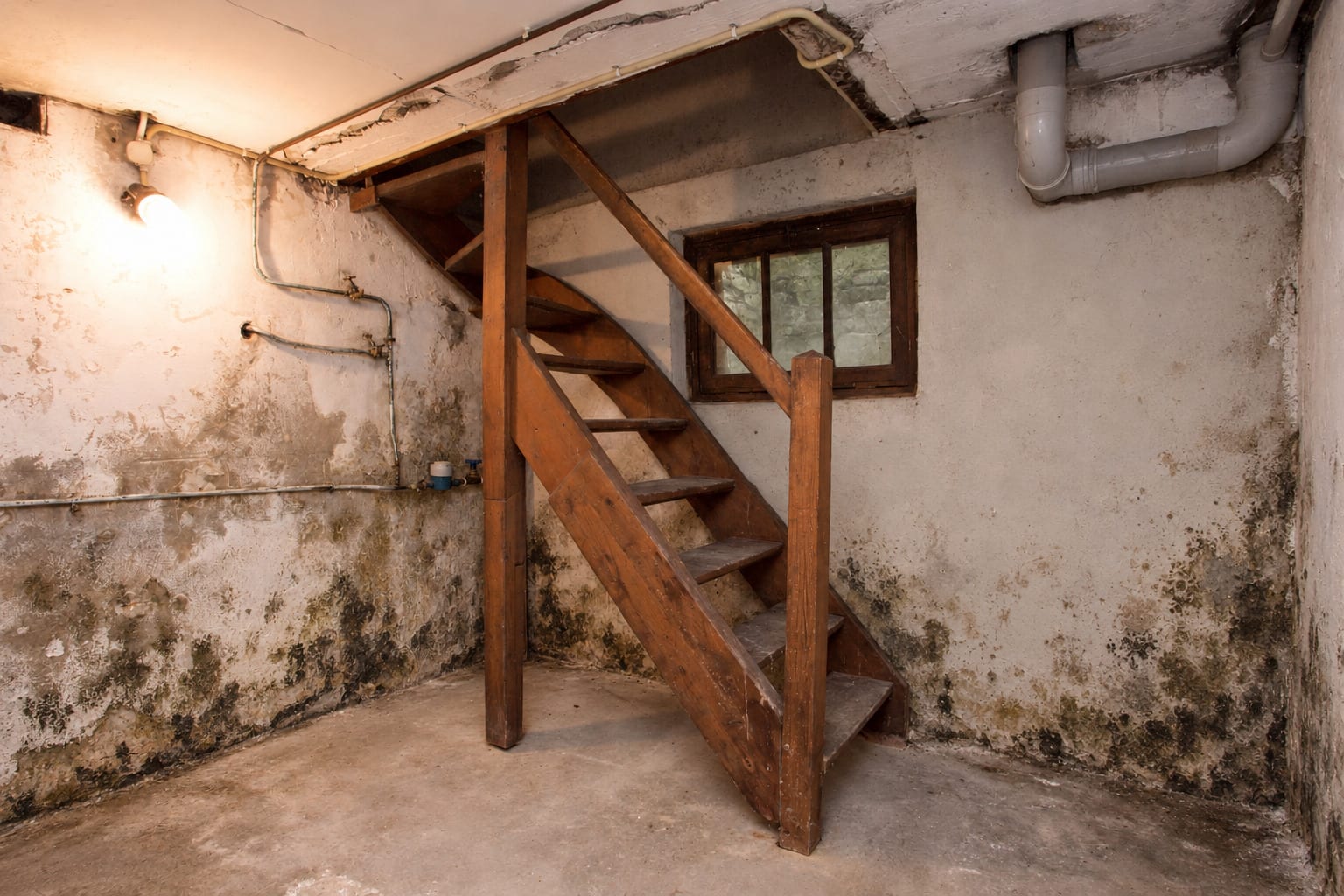
Basements hide moisture well. Finished walls, insulation and flooring can look normal from the room while damp materials sit behind them. We define the affected area before deciding how much needs to come out.
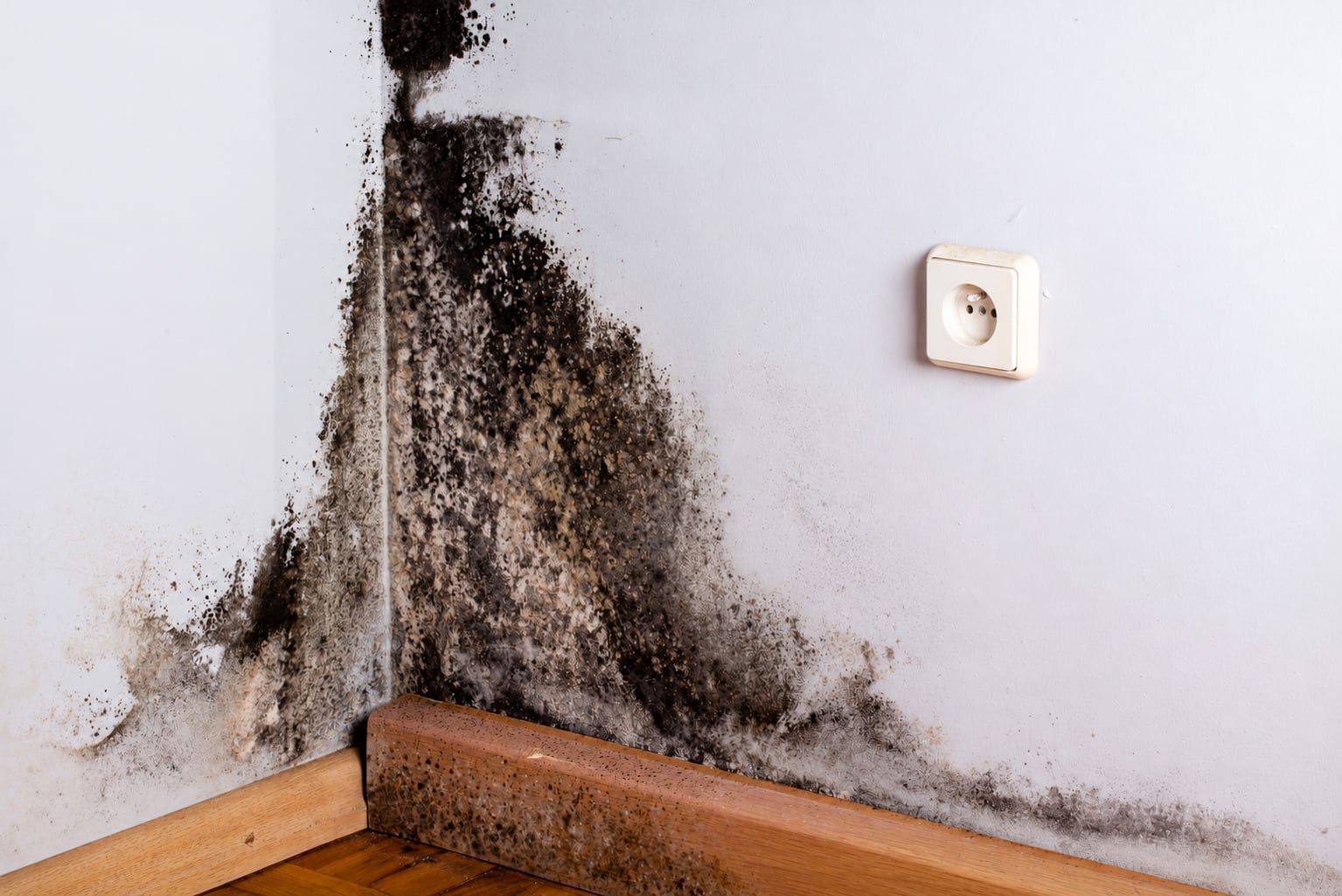
Black colour alone does not tell you the species or how extensive the problem is. We focus on the moisture source, affected materials and actual remediation area instead of using colour as a reason to make the job sound worse.
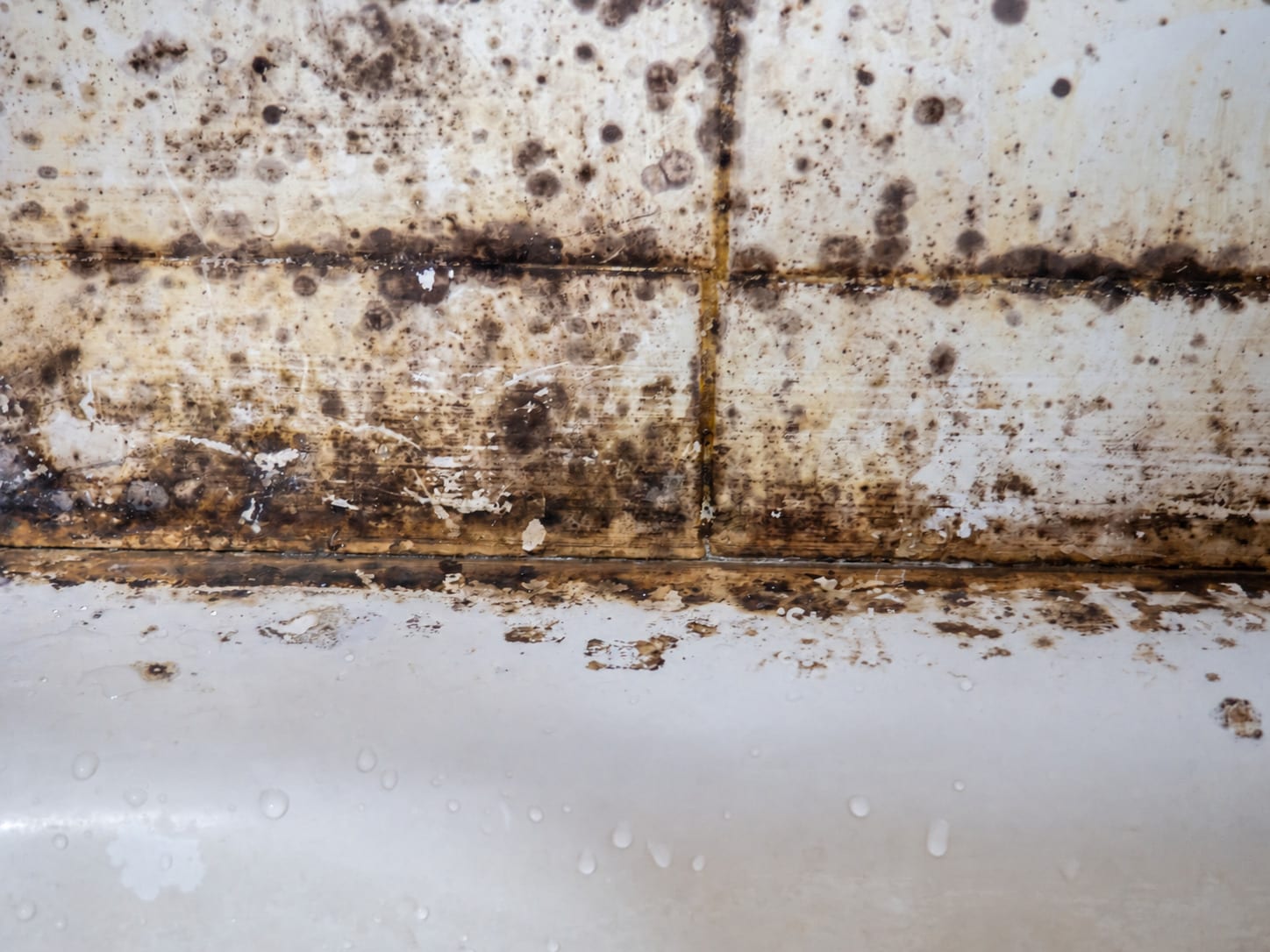
A bathroom can be cleaned beautifully and still grow mold again if moisture hangs around after every shower. We look beyond the surface — ventilation, leaks and concealed damp areas all matter.
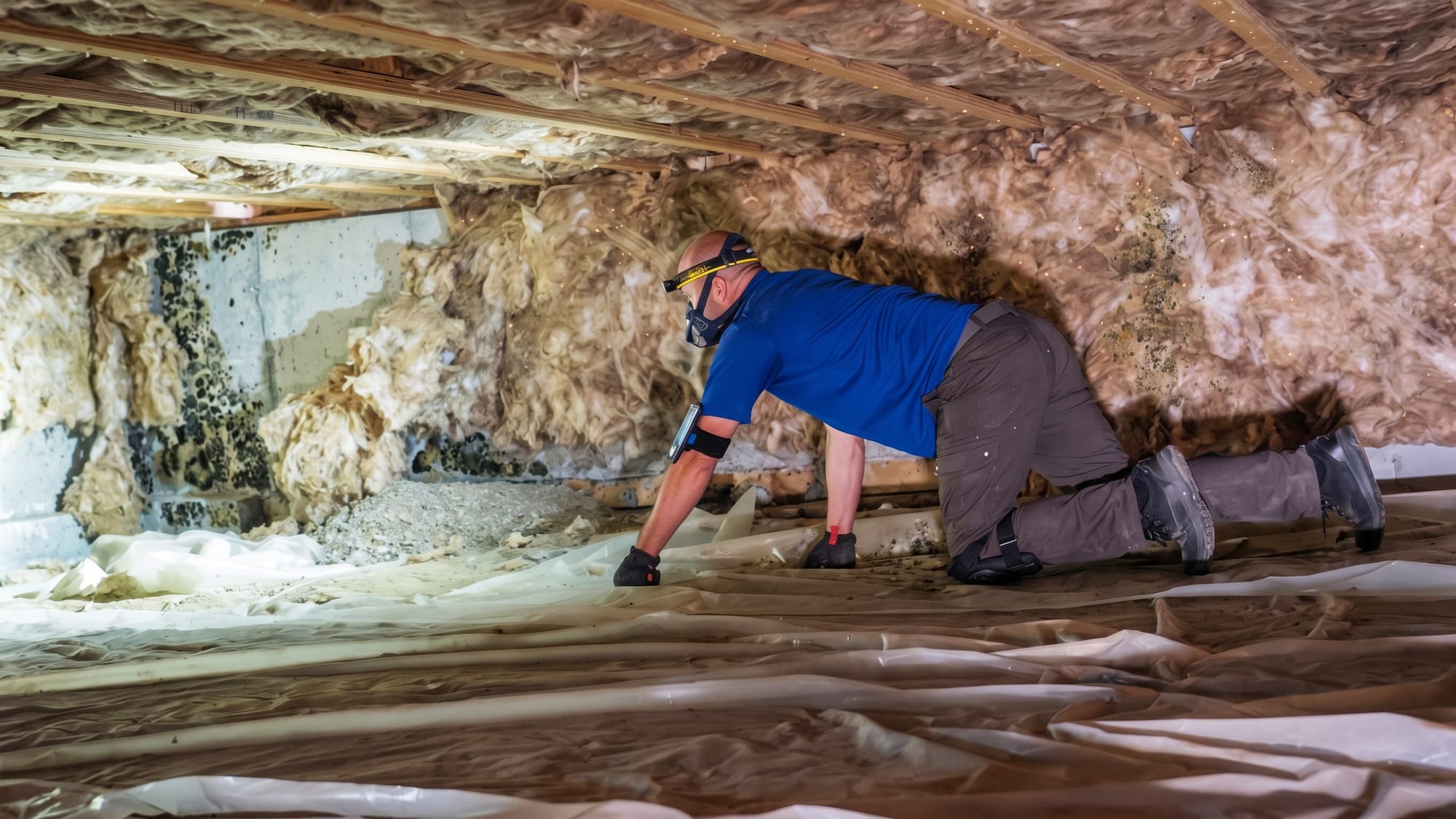
Crawl spaces can stay damp without anyone noticing. Framing, insulation and other organic materials may remain exposed to moisture for long periods before the problem becomes obvious upstairs.
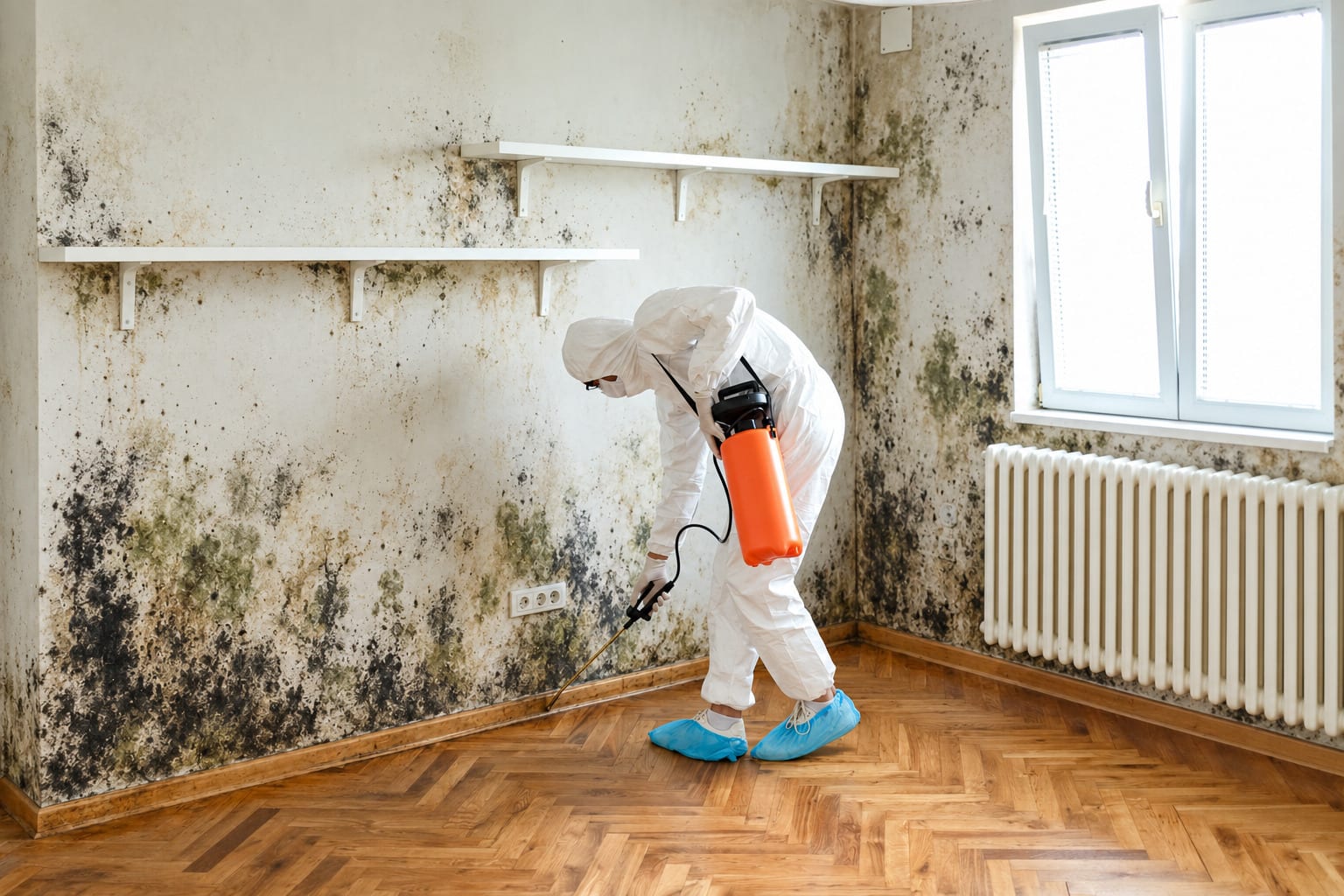
For offices, retail units, rental properties and other commercial spaces, the scope needs to consider more than mold alone. Access, containment, occupied areas and downtime all affect how the work should be planned.
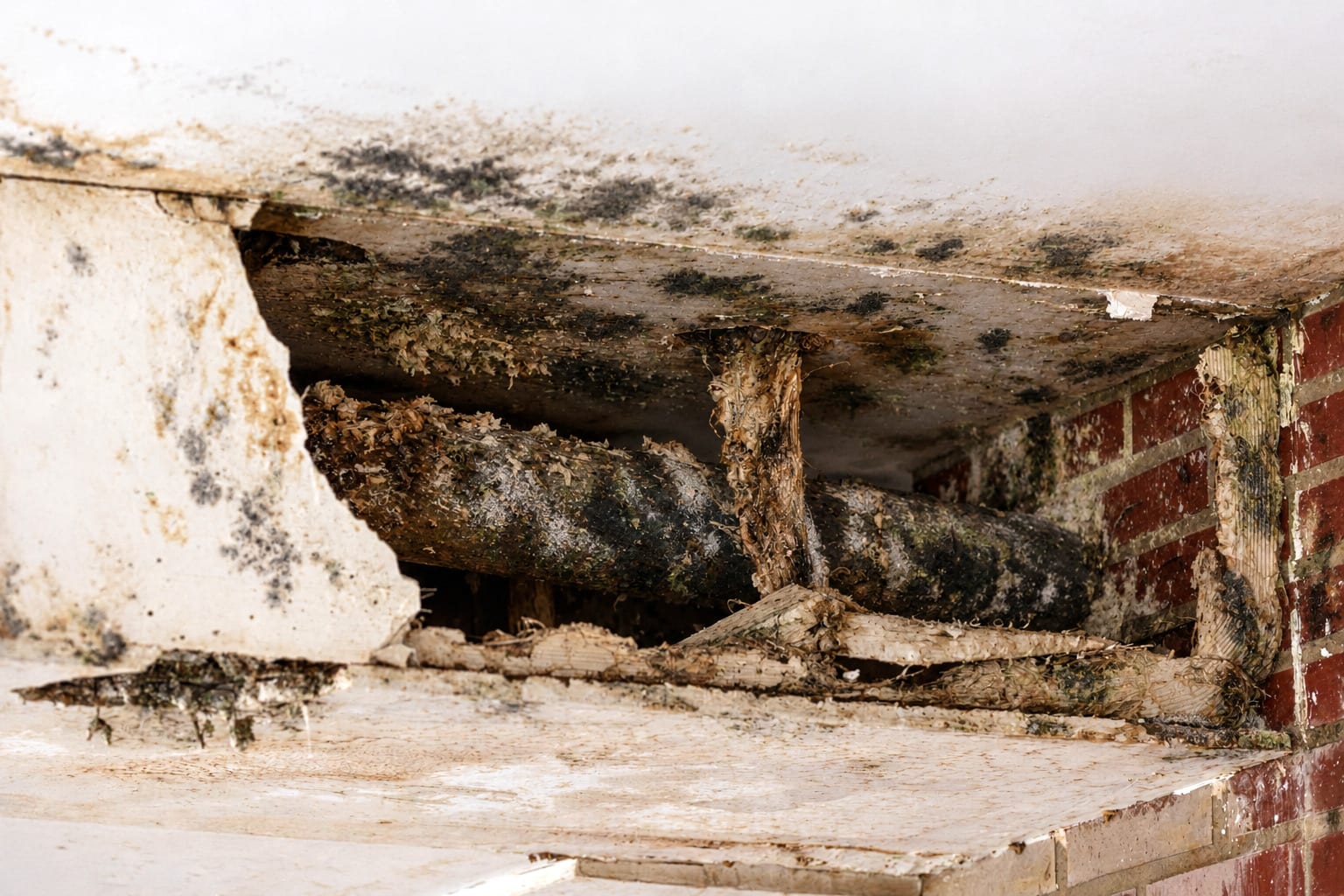
A leak that is fixed is not always a moisture problem that is finished. If drywall, insulation, framing or flooring stayed wet, those materials still need to be assessed before the room is closed back up.
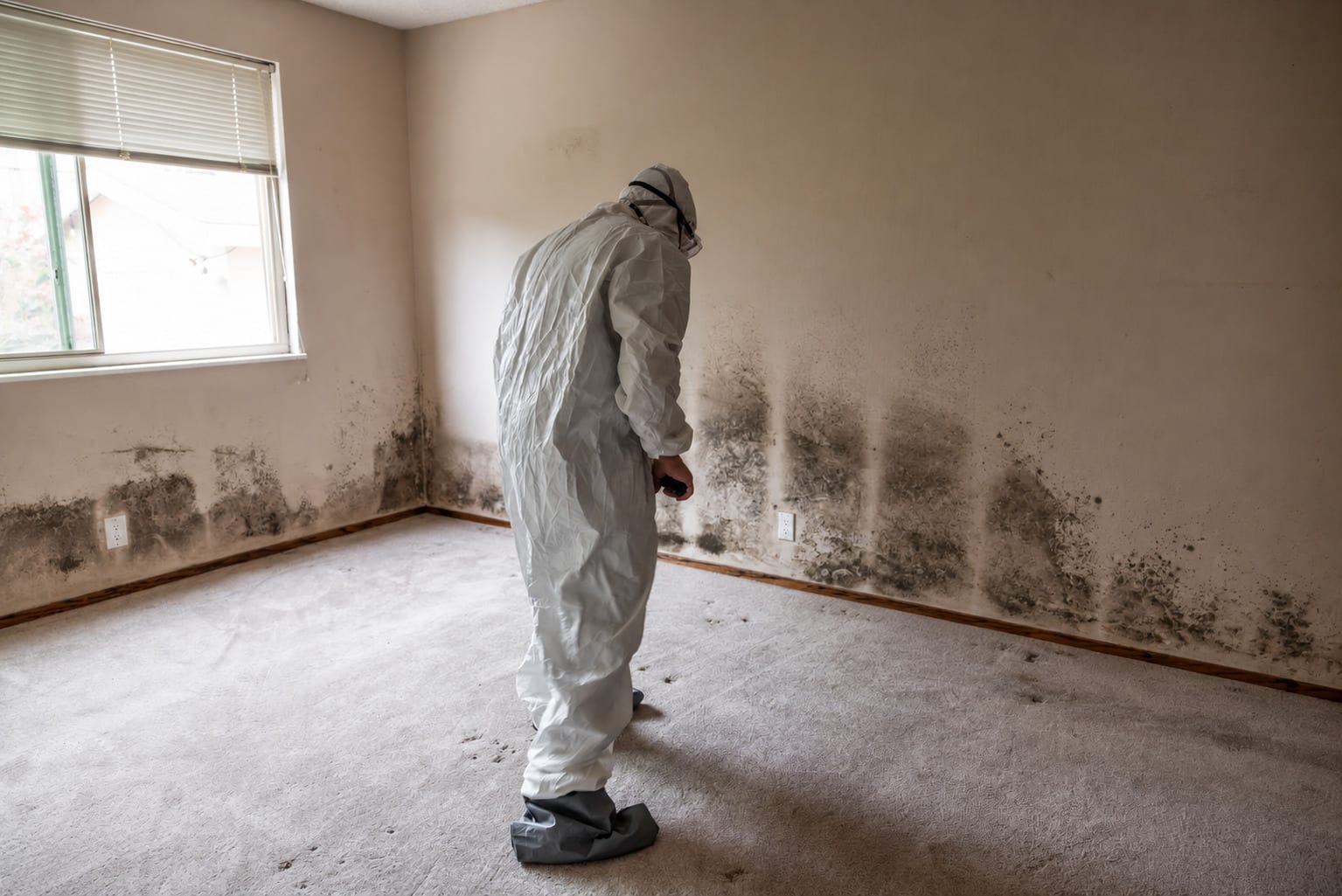
Sometimes mold is discovered in the middle of another problem — after flooding, when drywall is opened, or during an active water loss. In those cases, the first priority is to understand the affected area and stop unnecessary disturbance.

The work should have a finish line. That can include a visual review, moisture checks and project documentation. Where independent clearance testing is appropriate, it can be arranged separately.
Mold Basics
What to know about spread, risks, and first steps

Mold spores are naturally present in the air. Growth begins when they land on materials that stay damp.

Leaks, condensation and persistent dampness create the conditions mold needs to grow and continue spreading.

After a leak or flood, wet materials should be dried quickly to reduce the chance of mold growth.
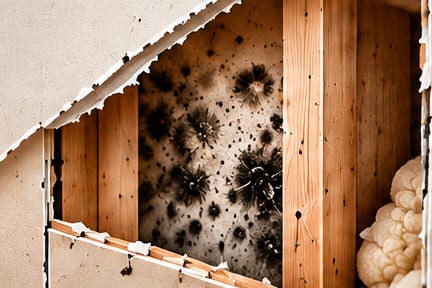
Growth can develop behind drywall, under flooring, above ceilings or inside other concealed building cavities.

Color alone cannot identify the mold species or tell you how extensive the underlying problem may be.

When mold is already visible, identifying and correcting the moisture source is often more useful than routine testing.

Some people are more sensitive to mold and may experience irritation, coughing, allergic reactions or worsening asthma symptoms.

Some materials can be cleaned and dried. Others may require removal depending on damage, porosity and contamination.

Keeping indoor humidity under control helps reduce the damp conditions that allow mold to grow and return.
Guidance based on Health Canada and EPA mold/moisture recommendations.
Why Choose Us
Before suggesting a test, we explain what decision depends on its results. If we already know what needs to be done, we won’t ask you to spend money on testing you don’t need.
Before work begins, we’ll discuss where your children will be, which areas will be off limits, and what should be moved out of the work area. Disturbing mold affected materials can release spores into the air, so children need to stay away from the work zone.
Opening up affected materials can release dust and spores into nearby rooms. We contain the work area, plan the route for removing debris, and seal affected materials before carrying them out.
We’ll agree with you on where your cat or dog will stay during the work and put extra barriers in place to keep them out of the mold removal area. You won’t have to worry about your pet wandering among dust and tools.
The obvious stain is sometimes the whole problem.
Sometimes it is only the part you can see.
Those two situations should not receive the same quote.
Our starting point is simple:
That order matters. Without dealing with the moisture problem, mould can return after cleanup.
Source
Where the water came from
Moisture Path
How far it travelled inside the assembly
Affected Materials
What actually stayed wet — measured, not guessed
Remediation Scope
Only the area the evidence supports
Demolition is easy to add to a quote.
Putting the room back together is the expensive part.
That is why we separate three things:
The point is not to make the remediation scope artificially small. It is to avoid making it artificially large.
A smaller justified scope can mean less demolition, less reconstruction and less time with part of your home torn apart.
Automatic Tear-Out
Demolition zone larger than the problem
Measured / Targeted Removal
Scope limited to the measured affected area
Unnecessary demolitionmore reconstructionmore disruptionmore cost
Checklist
A few questions now can save a lot of confusion once the walls are open.
Ask what caused the moisture.
If nobody can explain the likely source, ask what is being done to investigate it.
Ask exactly what will be removed.
“Remediate basement” is not a scope. Drywall, insulation, framing and flooring should be addressed separately.
Ask what will stay.
A good scope should explain both sides.
Ask whether reconstruction is included.
Removal and rebuilding are often priced separately.
Take photos before work begins.
They are useful for comparing the original condition with the completed project.
Ask why testing is being recommended.
The answer should explain what decision the result will help make.
Ask how the work area will be isolated.
Ask what determines that the job is complete.
After a flood or leak, do not leave wet materials sitting unnecessarily.
For repeated basement flooding, check local prevention programs before rebuilding the same damaged area again.
Documented before-and-after projects are added here as they are completed. Until then, these are the situations we are called to most often.
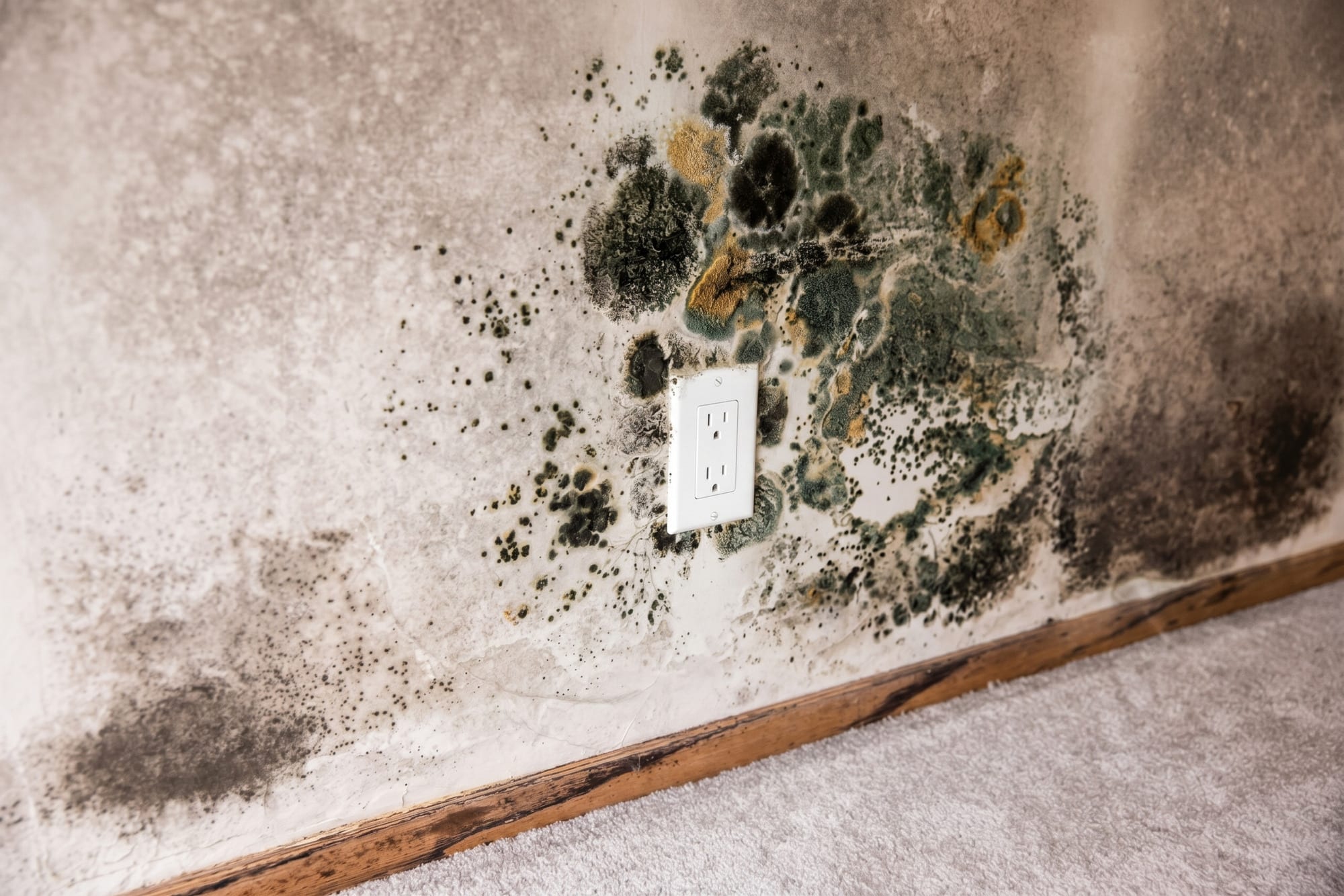
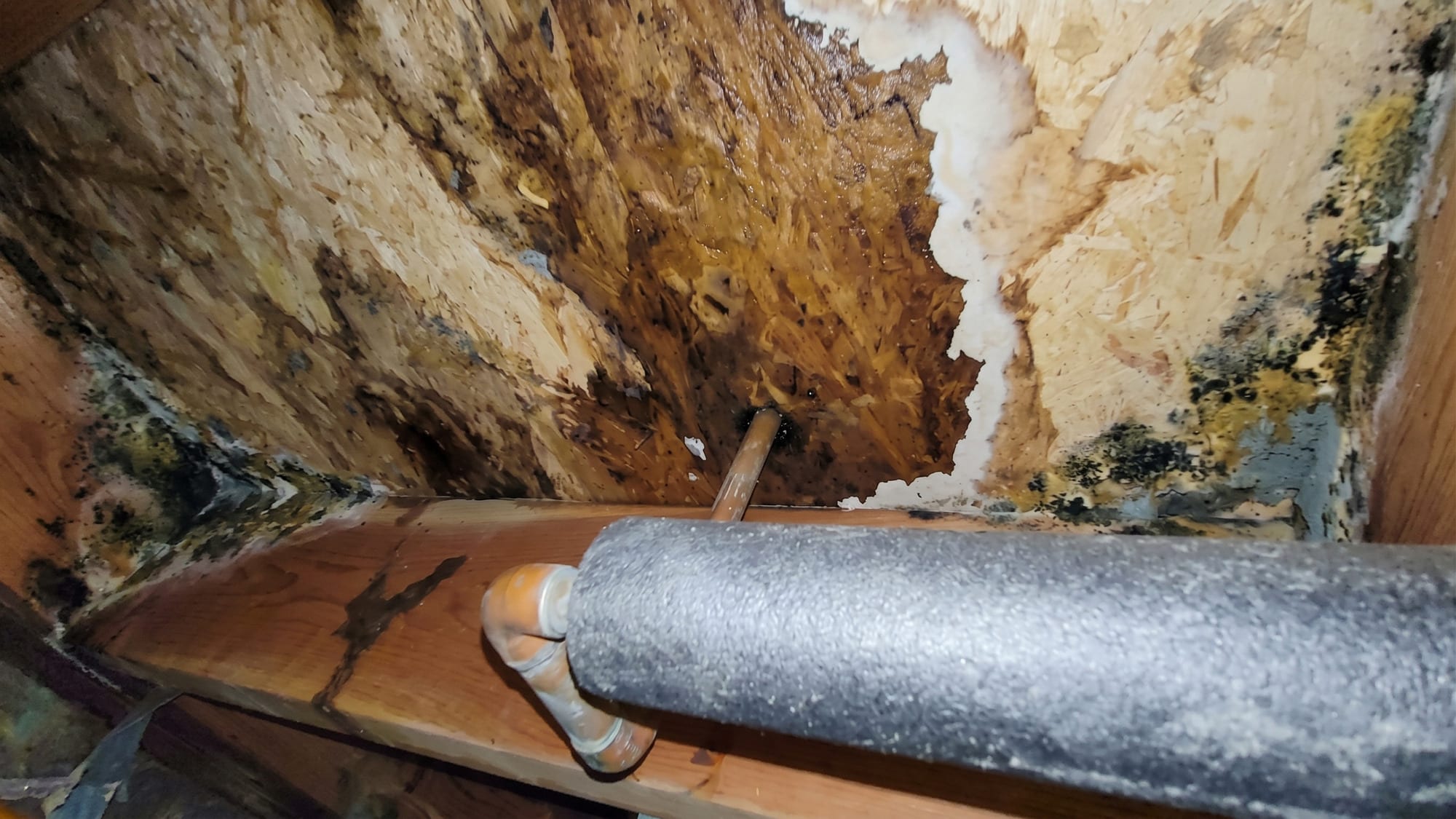
Property: Detached home
A finished basement develops a musty smell after water intrusion. Instead of assuming every wall needs removal, the first job is tracing the moisture, checking affected finishes and defining the sections that actually require access.
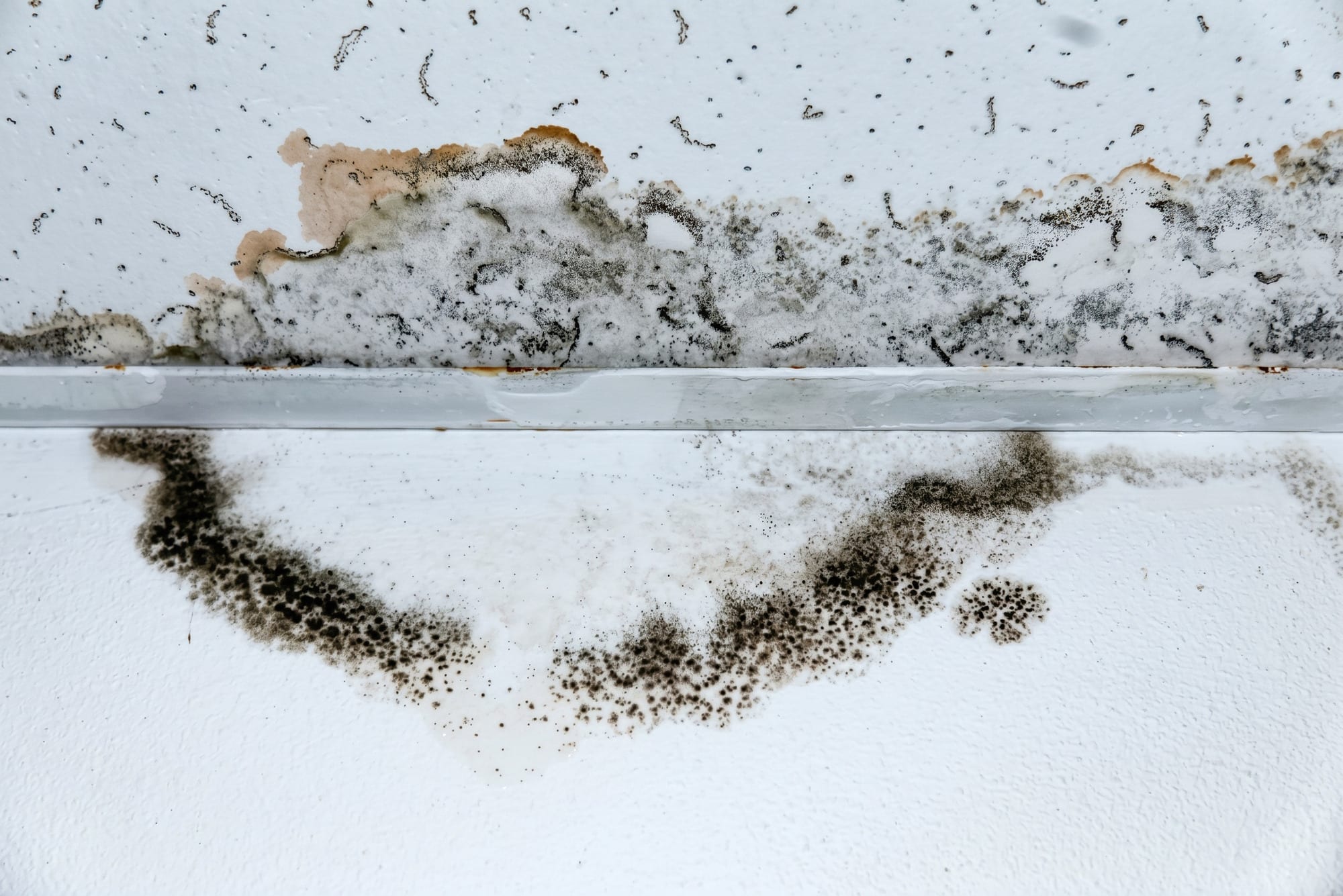
Property: Residential attic
Spotting appears on roof sheathing. The visible growth is only one part of the investigation; ventilation, roof leaks, insulation and exhaust routing can change what needs to be corrected.
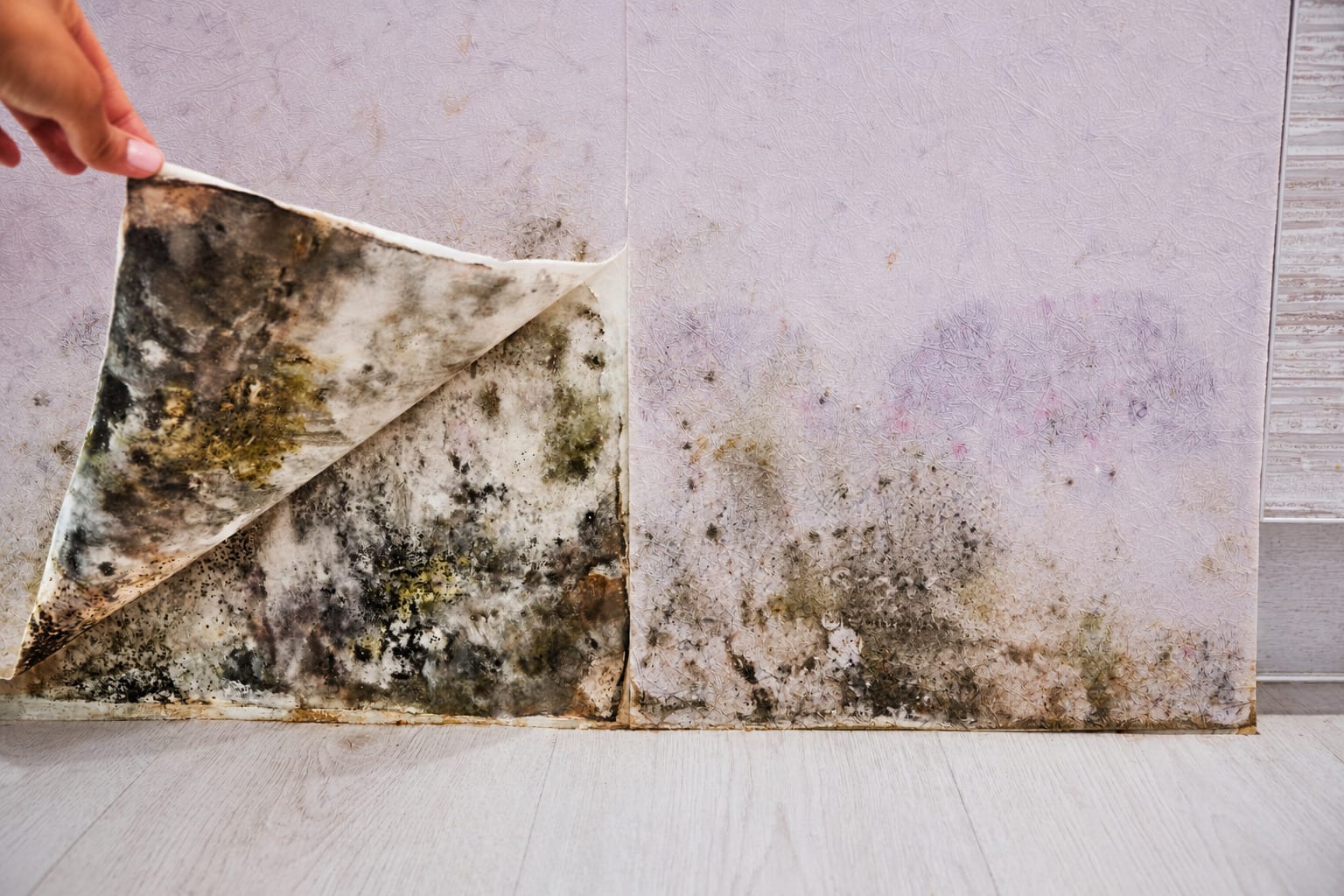
Property: Ensuite or family bathroom
Recurring ceiling growth after repeated cleaning often points back to a moisture pattern. The useful question is not only how to clean it, but why the surface stays damp long enough for it to return.
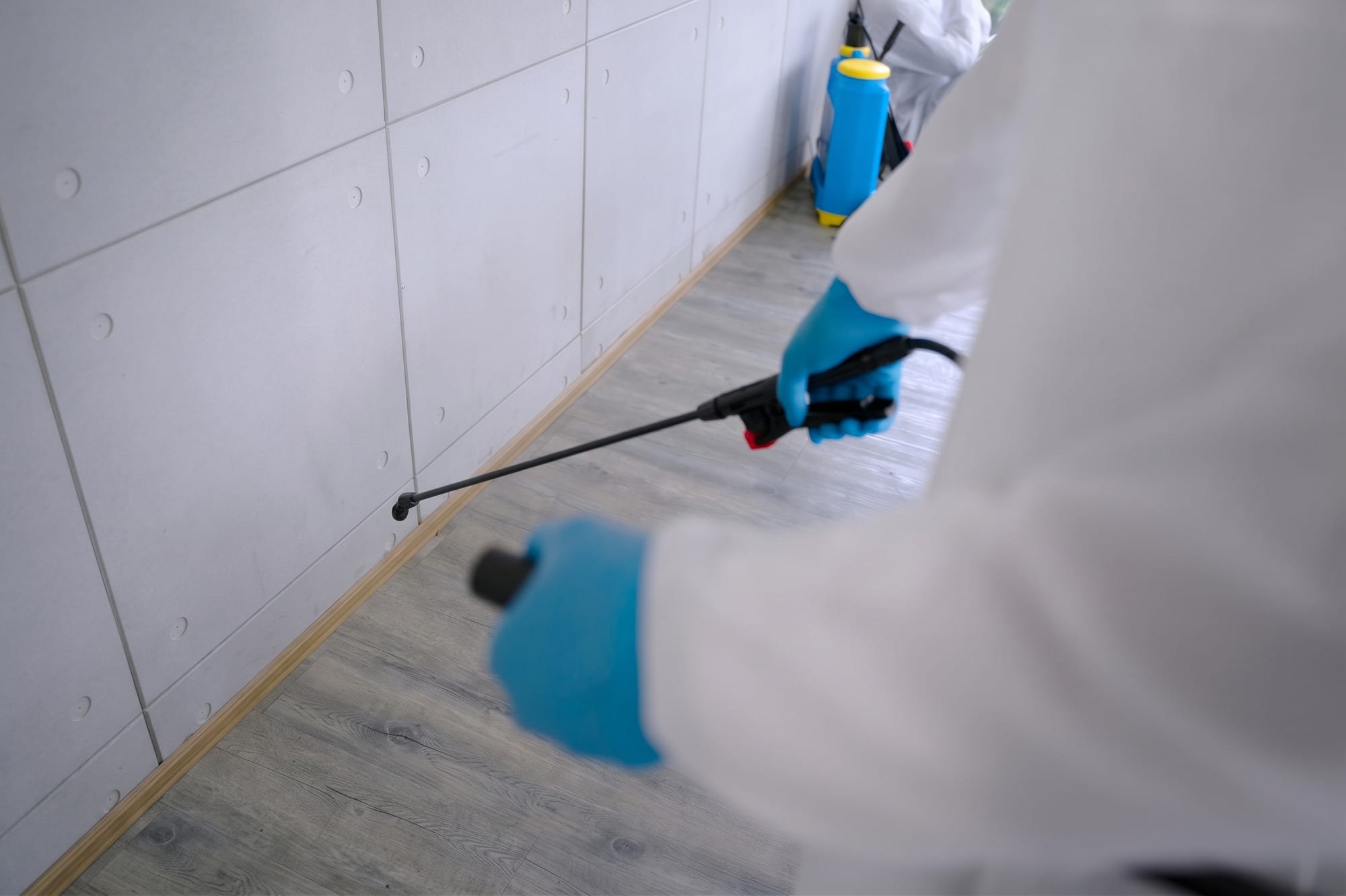
Property: Basement or main floor
There may be little to see from the room. Moisture evidence and limited investigative access can help determine whether opening a larger area is justified.
Property: Office, retail or managed property
Commercial remediation needs to account for access, occupied areas and business interruption as well as the physical damage itself.
Our Process
A visible patch, a musty smell, a previous leak, a flood or an inspection report is enough to start.
The affected area is checked along with the likely source and nearby materials.
The quote should show what is proposed — containment, removal, cleaning, drying and any work that sits outside the remediation scope.
Containment is set up where needed. Affected materials are handled according to the agreed scope, with HEPA controls used as appropriate.
The completed area is reviewed and documented. If independent post-remediation verification is justified, it can be coordinated before reconstruction.
Local Expertise
Oakville has a mix of older established housing, renovated properties and newer development. That matters because the same visible symptom can come from very different building conditions.
Basements deserve particular attention locally. The Town of Oakville specifically warns that basement flooding can occur during severe storms and sewer-backup conditions.
That does not mean every Oakville basement has a mold problem.
It means that when mold appears after a water event, the water pathway matters just as much as the visible growth.

Heavy rain, water intrusion and sewer-backup situations can leave moisture behind finished walls and flooring.
Condensation, roof leaks, ventilation issues and humid exhaust can all affect attic moisture.
Before disturbing older finishes, the demolition scope may require additional planning.
Pricing
There is no useful flat price for a problem that may be one small section of drywall — or a finished basement with concealed moisture.
For planning purposes, public Oakville/GTA pricing currently tends to fall into ranges like these:
| Typical project | Planning range |
|---|---|
| Small contained area | $500–$1,500 |
| Bathroom / single-wall remediation | $1,200–$2,800 |
| Medium one-to-two-room project | $1,500–$5,000 |
| Attic mold remediation | $1,800–$6,000 |
| Larger basement or attic | $4,500–$12,000+ |
| Extensive / multi-room remediation | $5,000–$15,000+ |
These are planning ranges, not fixed quotes. Final pricing depends on the affected area, access, materials, containment, drying, testing and reconstruction requirements.
The number on the quote matters. The scope behind it matters more.
A cheaper job is not cheaper if the water problem is left behind.
A larger job is not automatically better if the demolition was unnecessary.
We help define the scope first, then price the work around it.
Client Reviews
Reviews from homeowners who trusted us for safe, effective mold removal.
Amanda Brooks
Google ·
We noticed a musty smell in the basement after a few heavy rains. They found the problem behind one section of drywall and explained what actually needed to come out. The whole thing was less stressful than I expected.

Jason Turner
Google ·
Called because we found mold in the attic during a home inspection. They showed up when they said they would and walked me through what they found without trying to scare me into extra work. That part I really appreciated.
Kelsey Lawson
Google ·
Had some mold come back around our bathroom ceiling even after cleaning it twice ourselves. They pointed out that the fan wasn't doing a great job and dealt with the affected area. A few weeks later and so far everything still looks good.

Matthew Reed
Google ·
We had a small leak behind the wall and didn't realize there was mold until the baseboard came off. The quote wasn't the cheapest one we received, but it was the clearest. They only opened the area that actually needed work.

Sarah Collins
Google ·
Pretty straightforward experience. They covered the floors, kept the work area separated and cleaned up properly before leaving. I was mostly worried about having dust everywhere, but that wasn't an issue.

Daniel Foster
Google ·
I called after seeing dark spots in one corner of our basement. I thought the whole wall would have to be removed, but it ended up being a much smaller area. Nice to deal with people who actually explained what they were doing instead of just giving us a number.
Equipment & Controls
Used where appropriate while contaminated material is being disturbed, helping control airborne particles inside the work zone.
Useful during detailed cleaning of suitable surfaces as part of the remediation process.
Temporary barriers help separate the work zone from unaffected rooms.
A wall can look dry before the material behind it actually is. Moisture readings add evidence to the inspection.
Useful for locating temperature patterns that may point toward concealed moisture. It is an investigative tool, not proof by itself.
When a material can reasonably be retained, controlled drying may make more sense than removing it.
Oakville sits in Halton Region on Lake Ontario and includes long-established communities such as Bronte and Old Oakville alongside newer residential areas.
For this service, the useful local detail is not the town's history by itself.
It is water.
The Town warns residents about flooding during heavy thunderstorms and possible sewer backups, while Halton Region runs a dedicated basement-flooding prevention program.
For a homeowner who has already dealt with basement water once, that changes the conversation:
Do not just remove the mold. Work out why the area became wet before rebuilding it.
FAQ
Not automatically. If mold is already visible, testing may not change what needs to be done. Health Canada says that in most cases there is no need to measure airborne mould concentration or identify the exact species; finding and fixing the moisture problem is more important.
Ask for the remediation scope in writing. It should tell you which materials are being removed and why. It should also make clear what is staying. If the explanation is simply “there might be mold behind everything,” ask what evidence supports opening the larger area.
Colour does not identify the species and should not determine the demolition scope by itself. What matters to the remediation plan is where the growth is, how extensive it is, what materials are affected and why moisture was present.
Yes. If the original leak, humidity, condensation or drainage problem remains, the conditions that allowed the growth have not really changed. Moisture correction is a core part of preventing recurrence.
A small contained project may be around $500–$1,500, while larger attic, basement or multi-room work can reach several thousand dollars or more. Access, material removal, containment, drying and reconstruction can change the final number considerably.
When post-remediation testing is needed, using an independent party keeps the person checking the result separate from the company that performed the work. Not every project requires clearance sampling, so the reason for testing should be clear first.
Mold cleanup by itself does not automatically mean a building permit is required. The situation can change if the project involves structural alterations, certain plumbing or drainage work, or work affecting a designated heritage property. The permit requirement should be checked against the actual renovation scope.
As quickly as practical. The longer porous materials stay wet, the more difficult the cleanup can become. After a flood or significant leak, drying and moisture assessment should not be postponed simply because the surface looks better.
Because cleaning the surface does not correct condensation, ventilation problems, roof leakage or humid exhaust entering the attic. If one of those conditions remains, the same area can become damp again.
It depends on the cause of the water damage and the wording of the individual policy. If the mold followed a sudden water-loss event, document the condition before destructive work and contact the insurer early. We do not promise coverage on behalf of an insurance company.
That is exactly what the first inspection should help answer.
Start with the moisture source, the affected materials and a clear scope — before committing to unnecessary demolition.
Get Free Estimate